Newlogic UI
Newlogic UI
Newlogic UI
Newlogic UI
Project scope
Design system • Full Ui kit
Design system • Full Ui kit
Role
Lead UI/UX Designer
Client
Newlogic
The Challenge
The design system and UI kit were created to address growing inconsistencies in core UI components and slow, repetitive design workflows across projects. Elements lacked scalability, designers repeatedly rebuilt common components from scratch, and fully custom development limited the agency’s ability to deliver smaller, fast-turnaround projects.
By building a unified design system and UI kit, we would be able to establish consistency, accelerate design processes, and unlock the ability to deliver leaner projects directly through Figma Sites — expanding both efficiency and business opportunities.
The design system and UI kit were created to address growing inconsistencies in core UI components and slow, repetitive design workflows across projects. Elements lacked scalability, designers repeatedly rebuilt common components from scratch, and fully custom development limited the agency’s ability to deliver smaller, fast-turnaround projects.
By building a unified design system and UI kit, we would be able to establish consistency, accelerate design processes, and unlock the ability to deliver leaner projects directly through Figma Sites — expanding both efficiency and business opportunities.
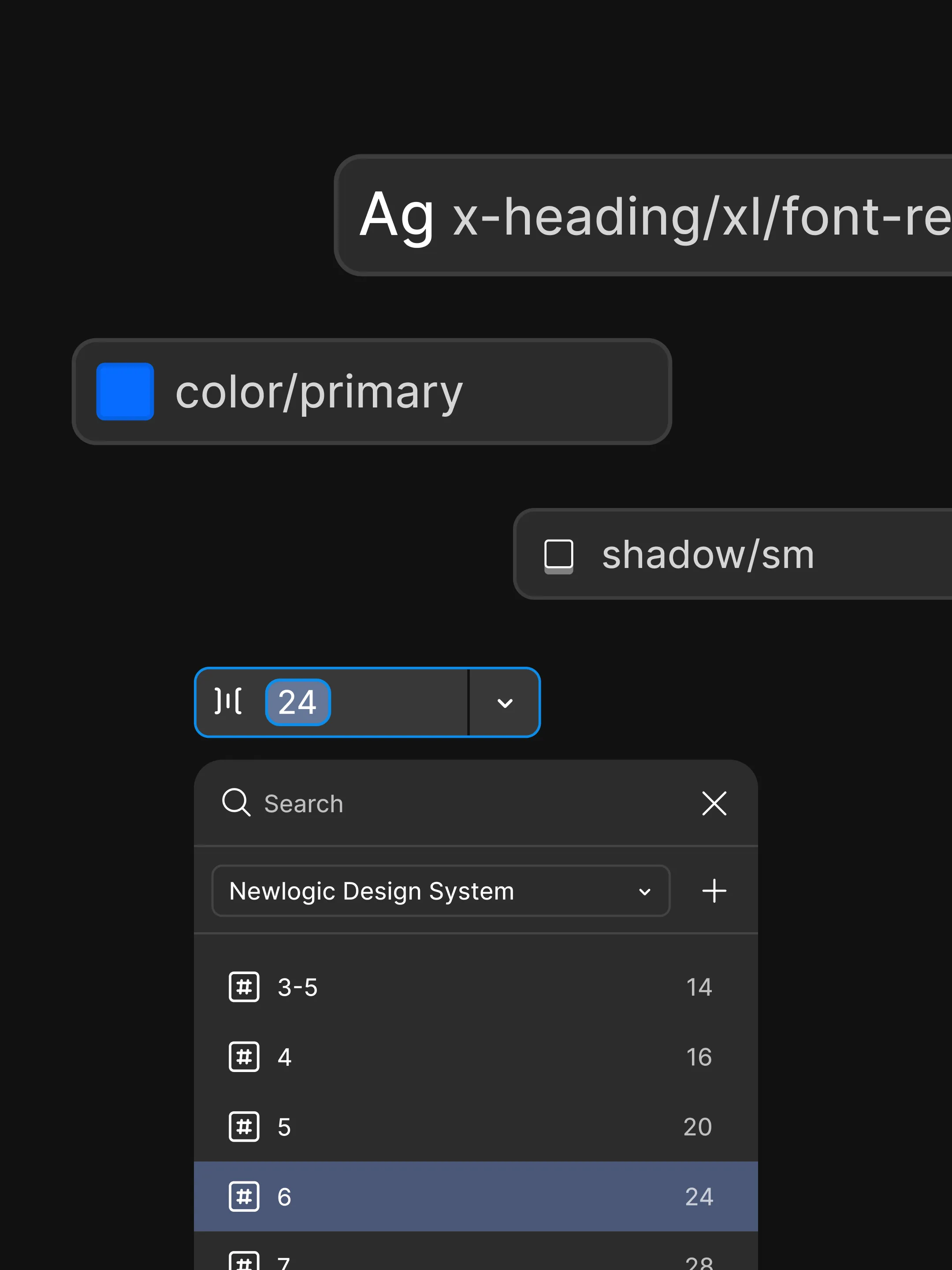
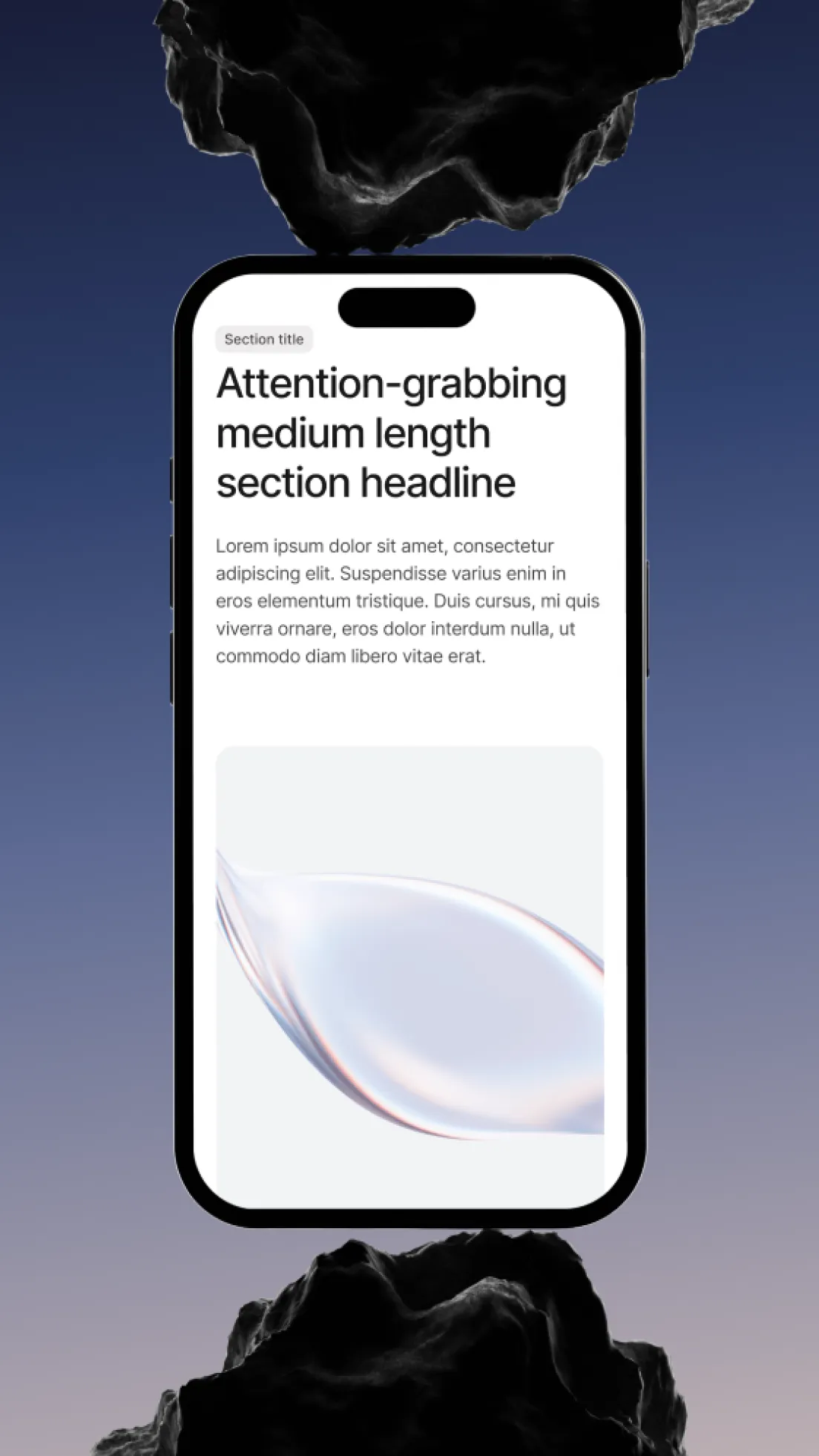
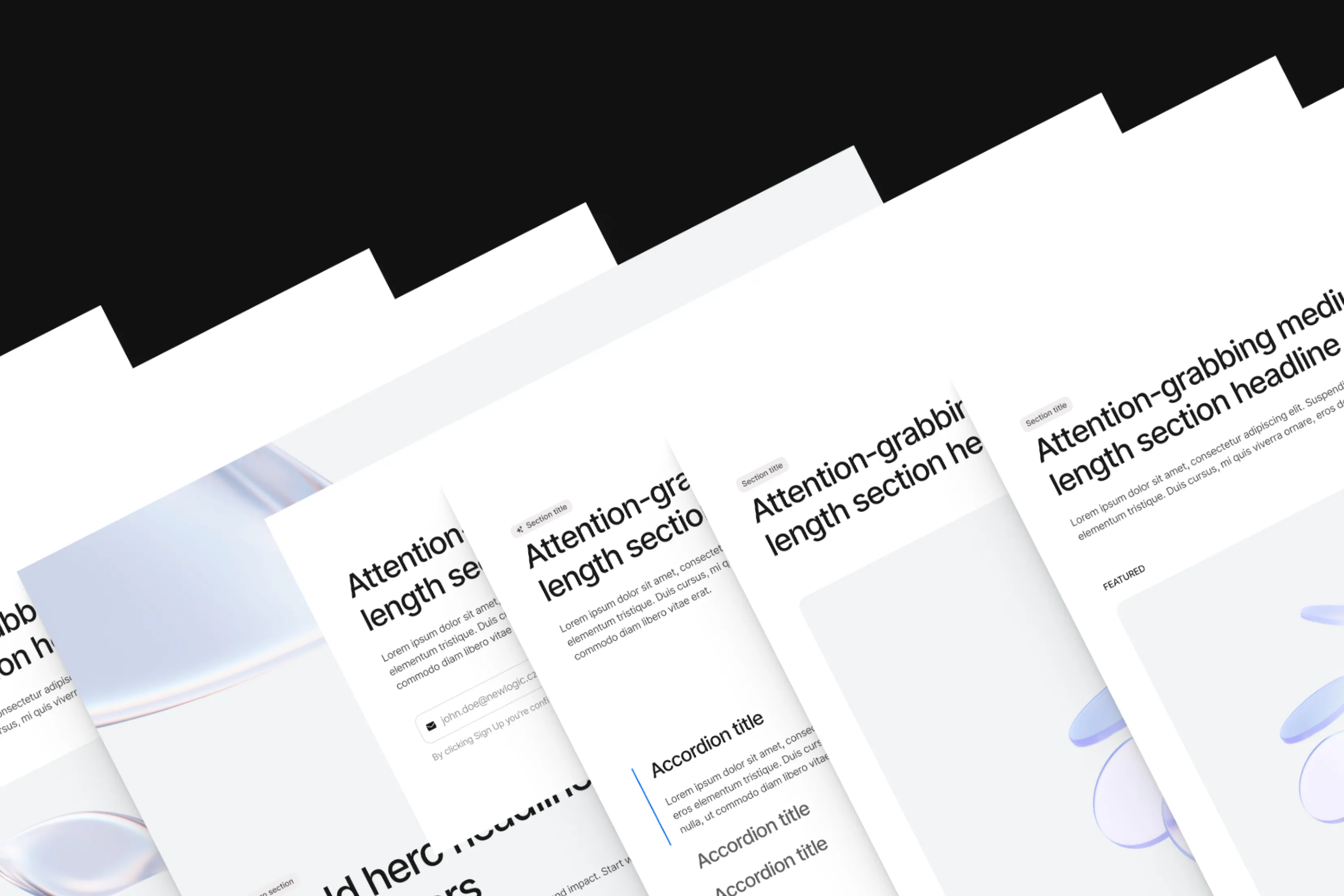
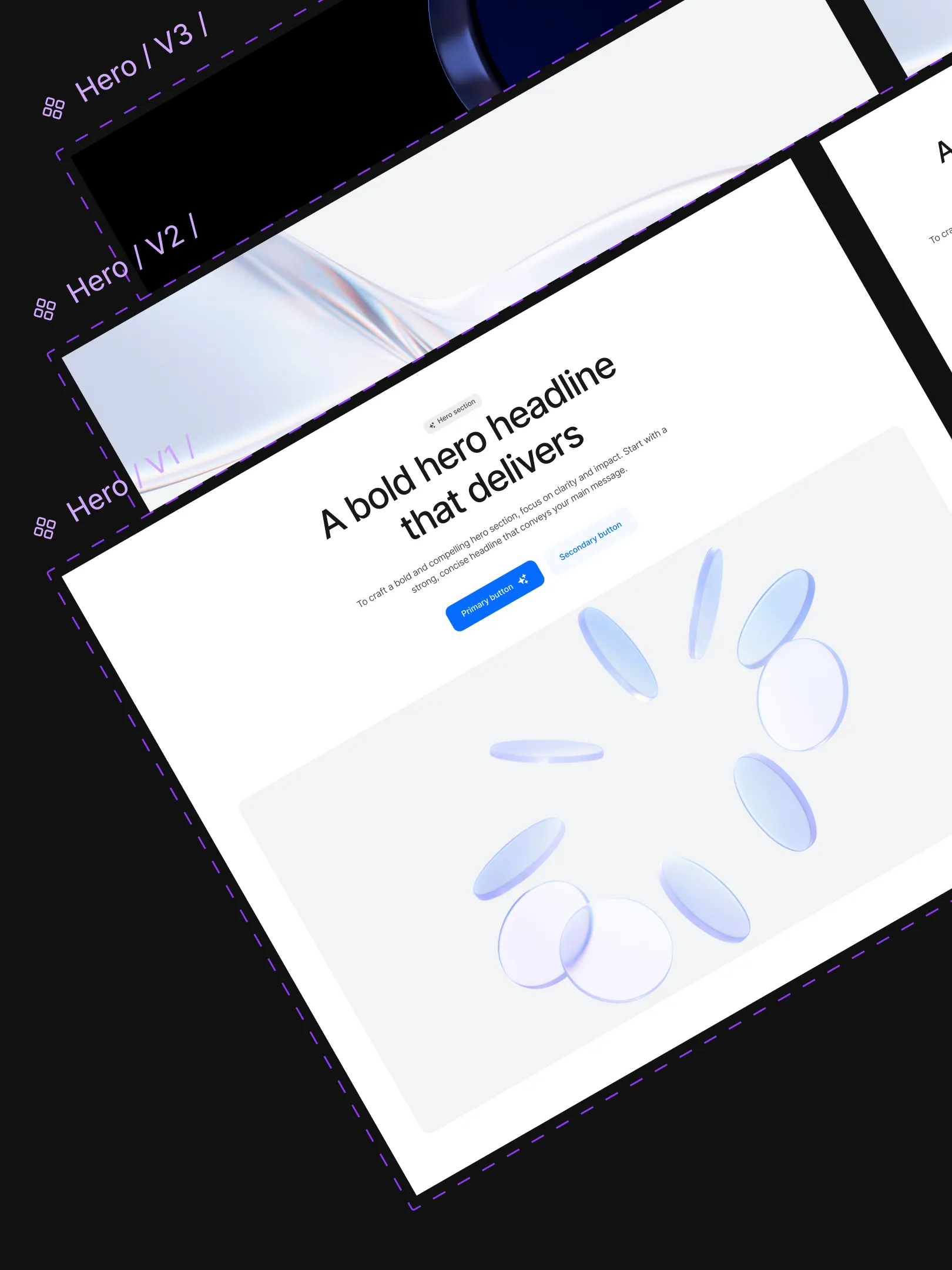
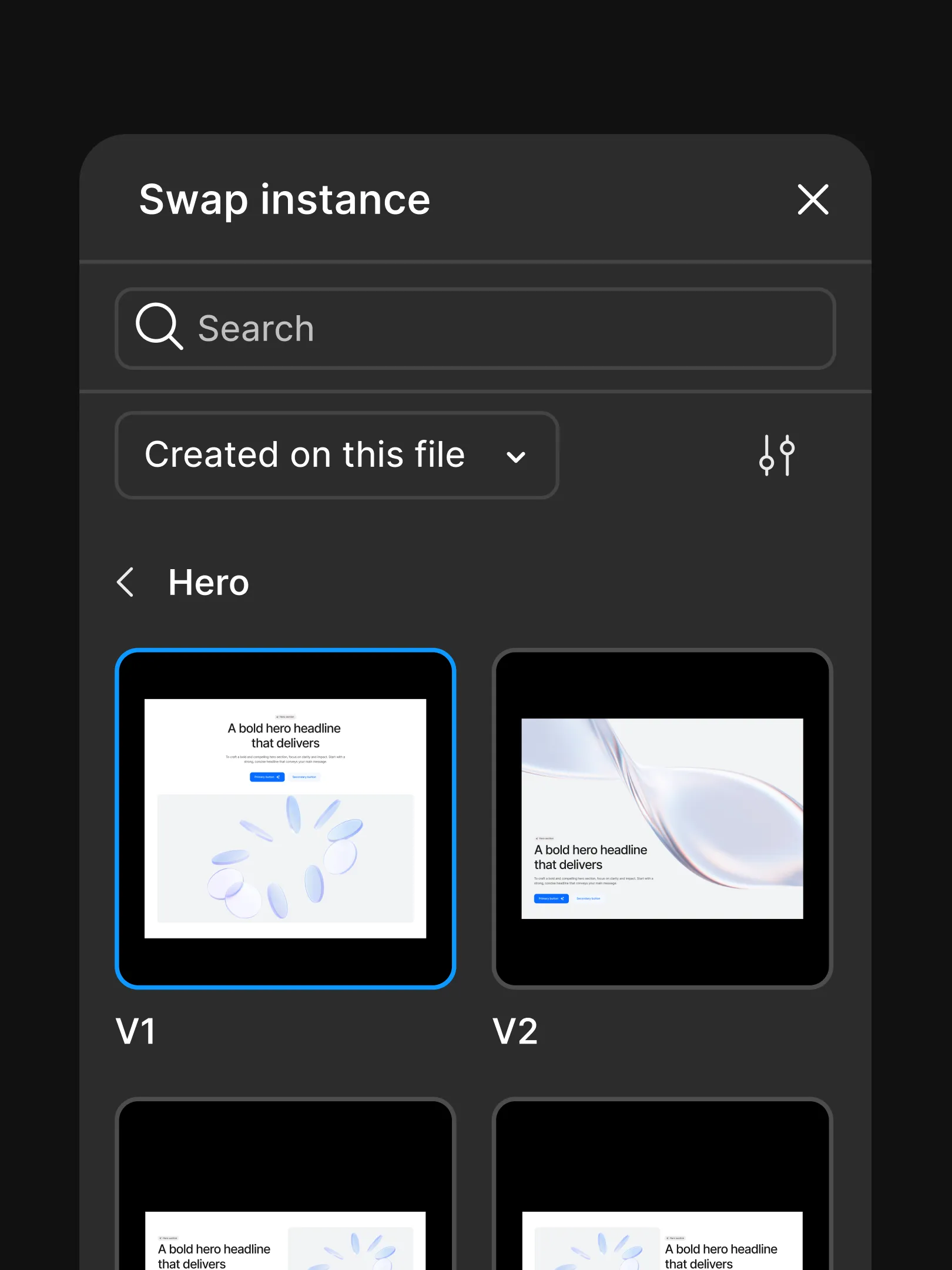
The design system
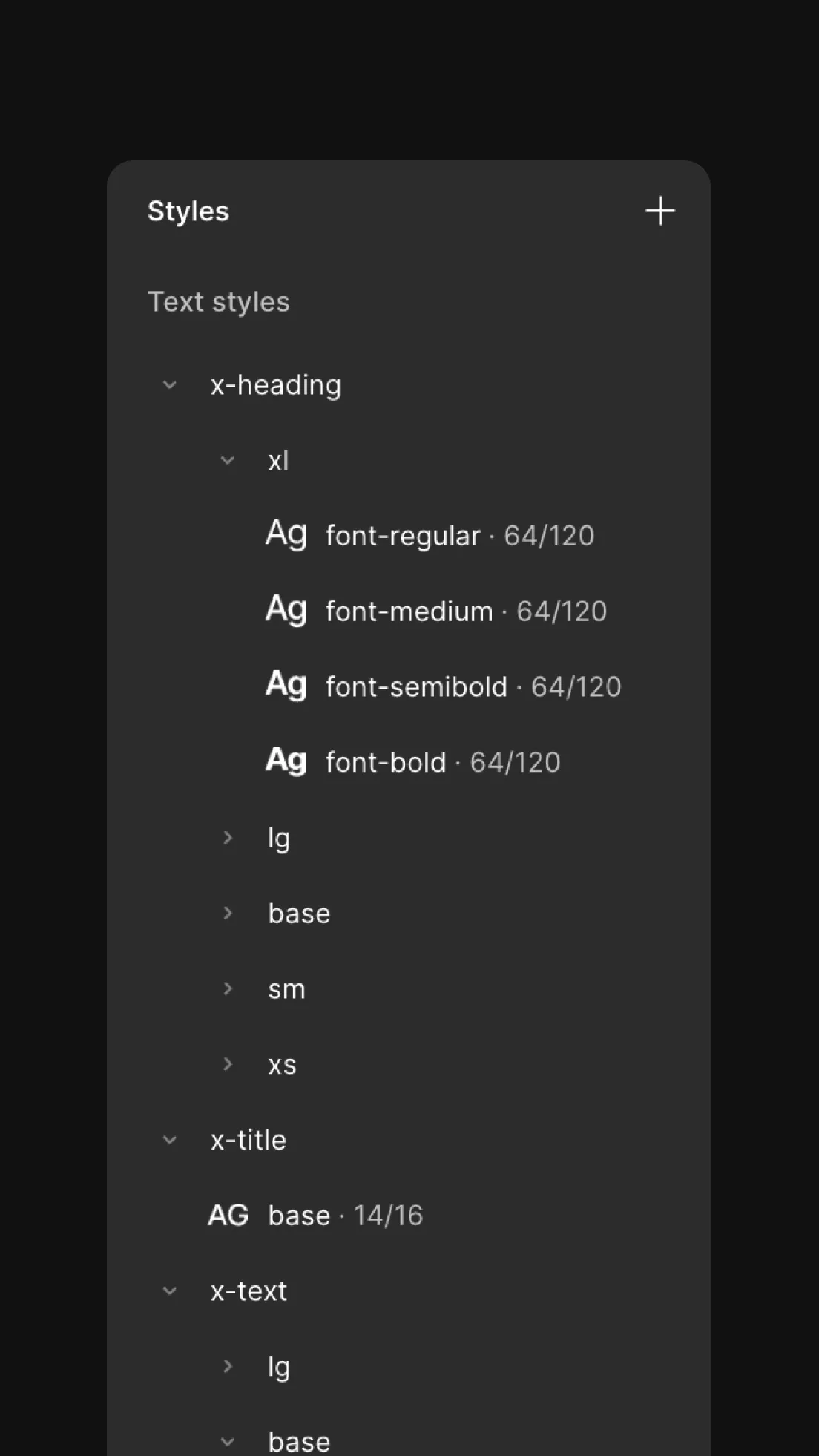
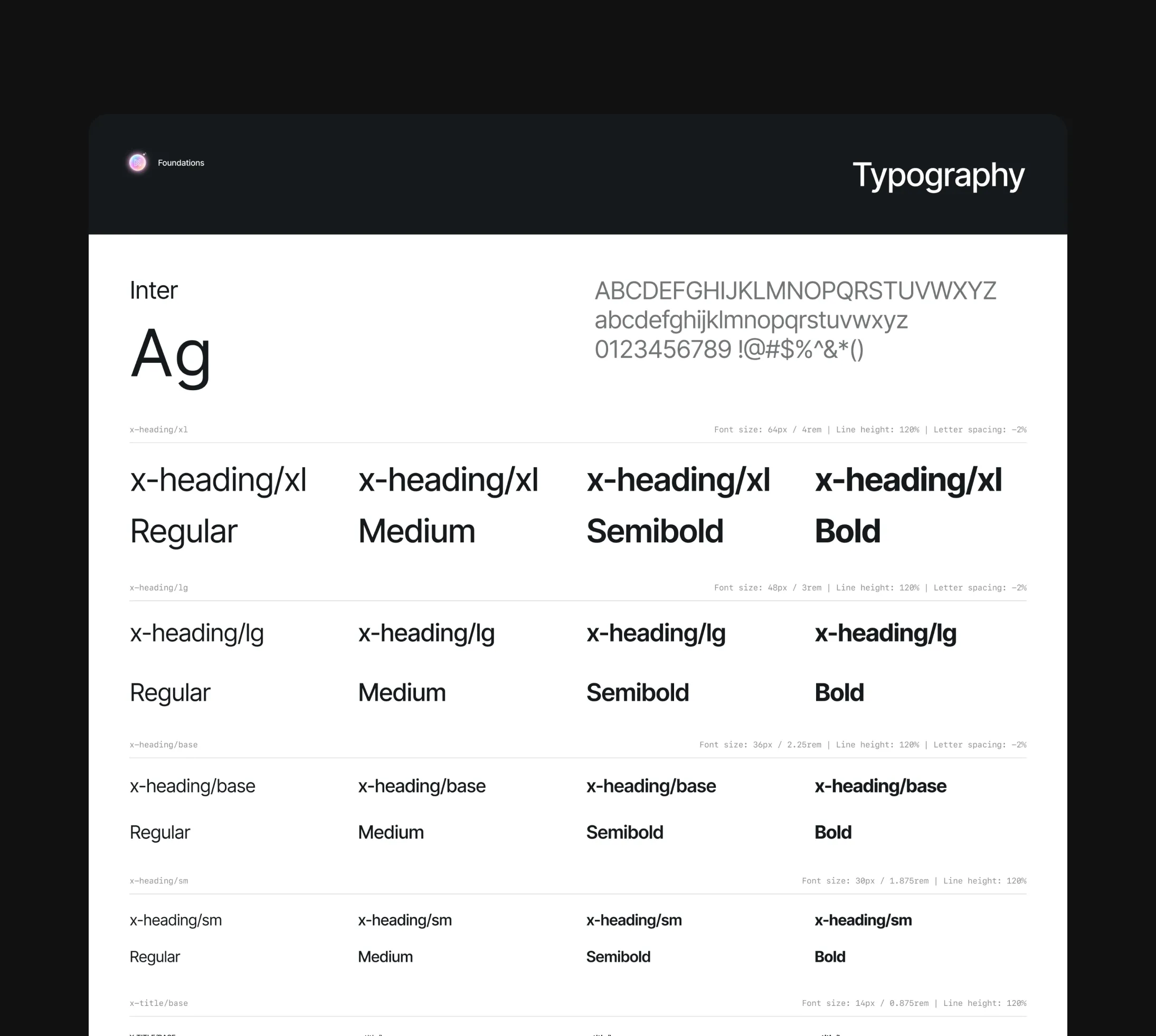
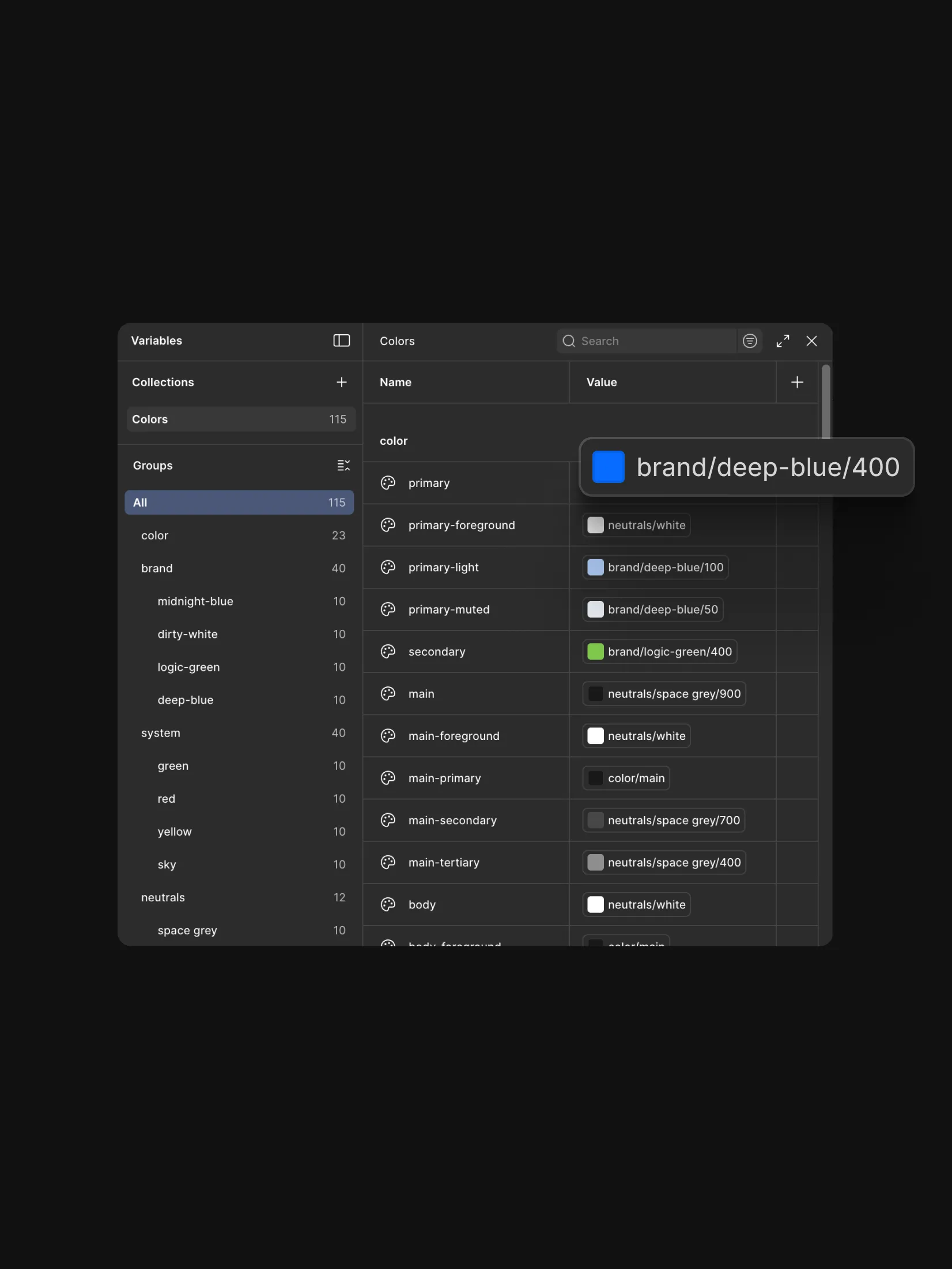
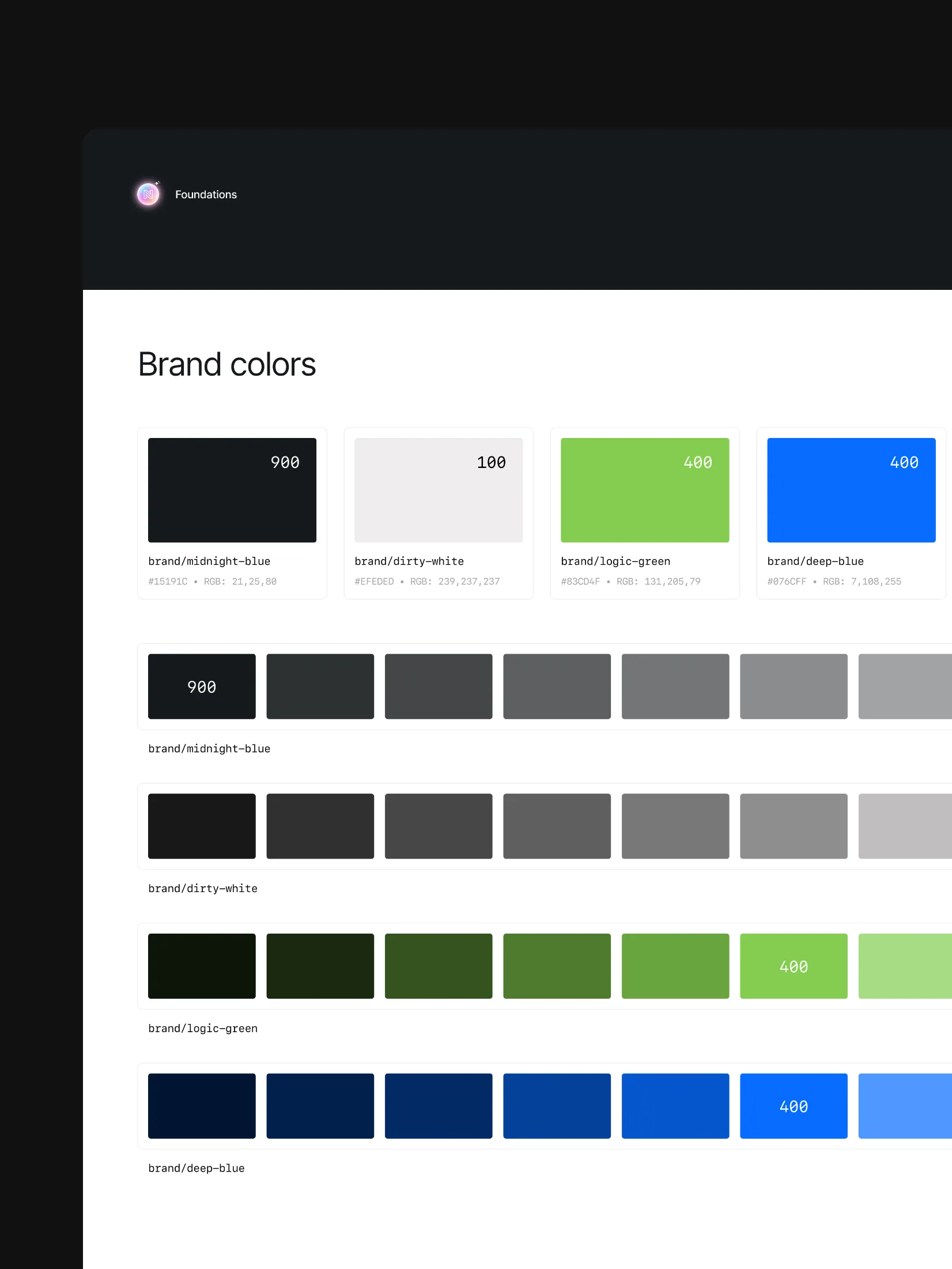
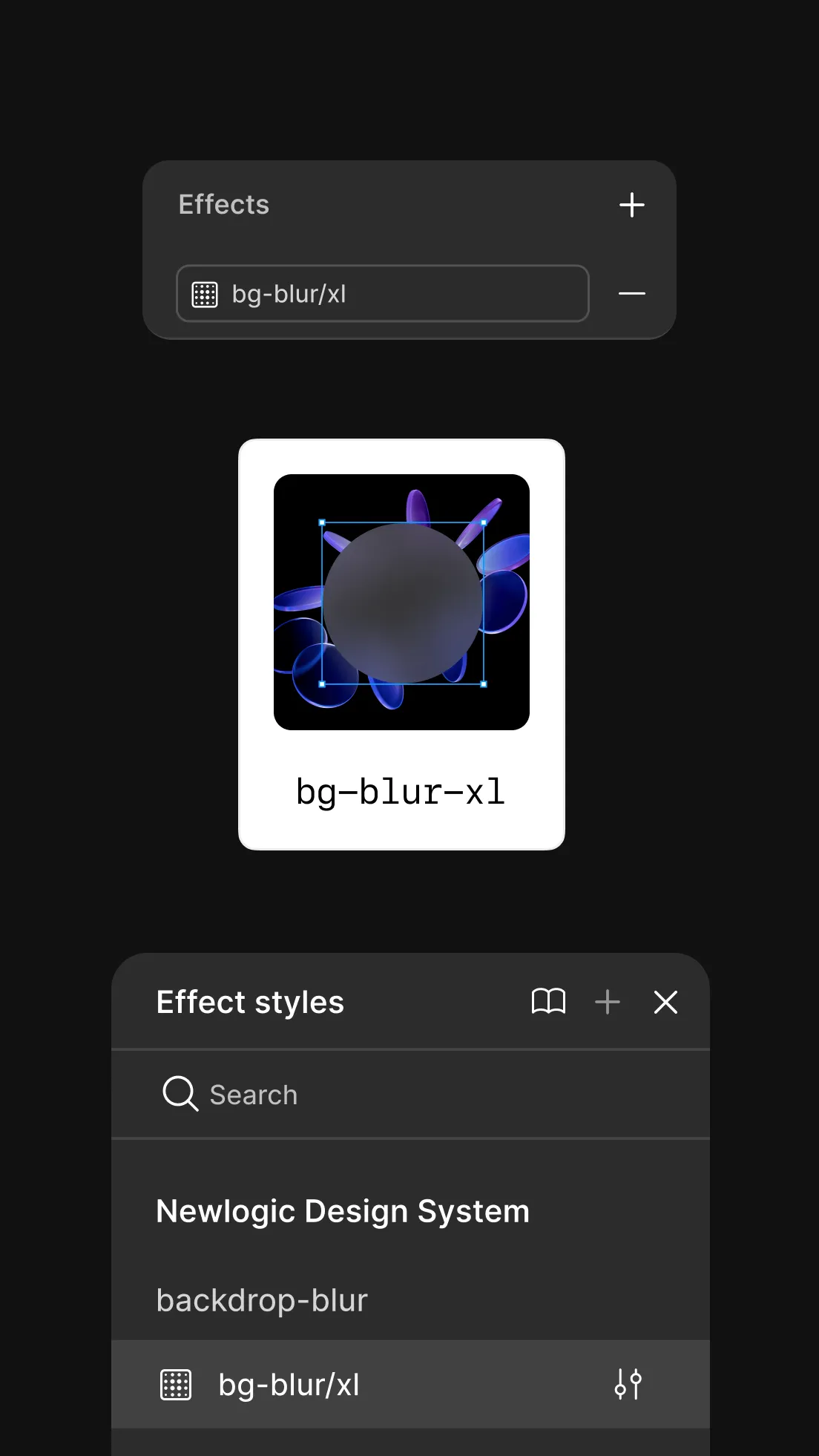
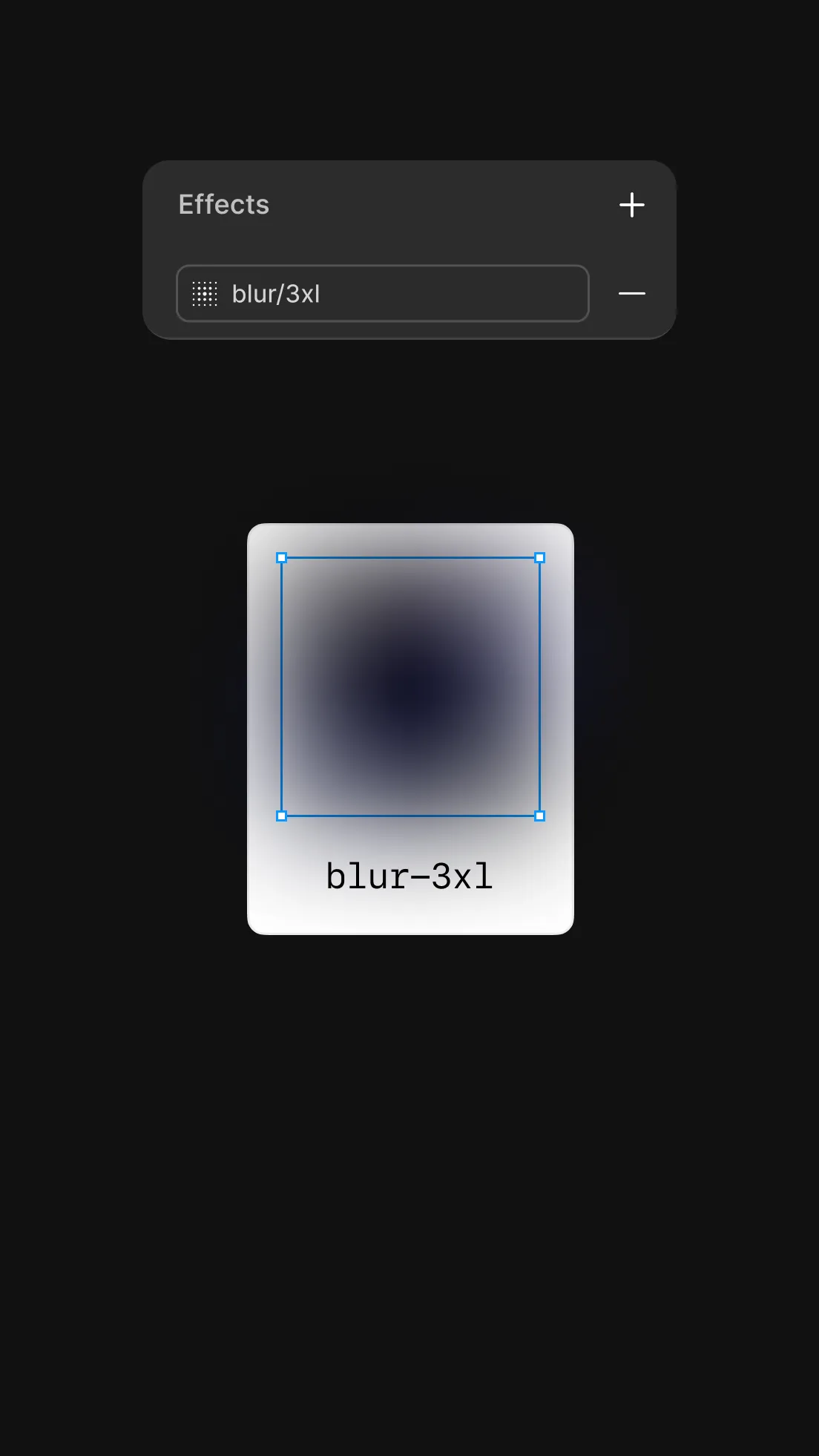
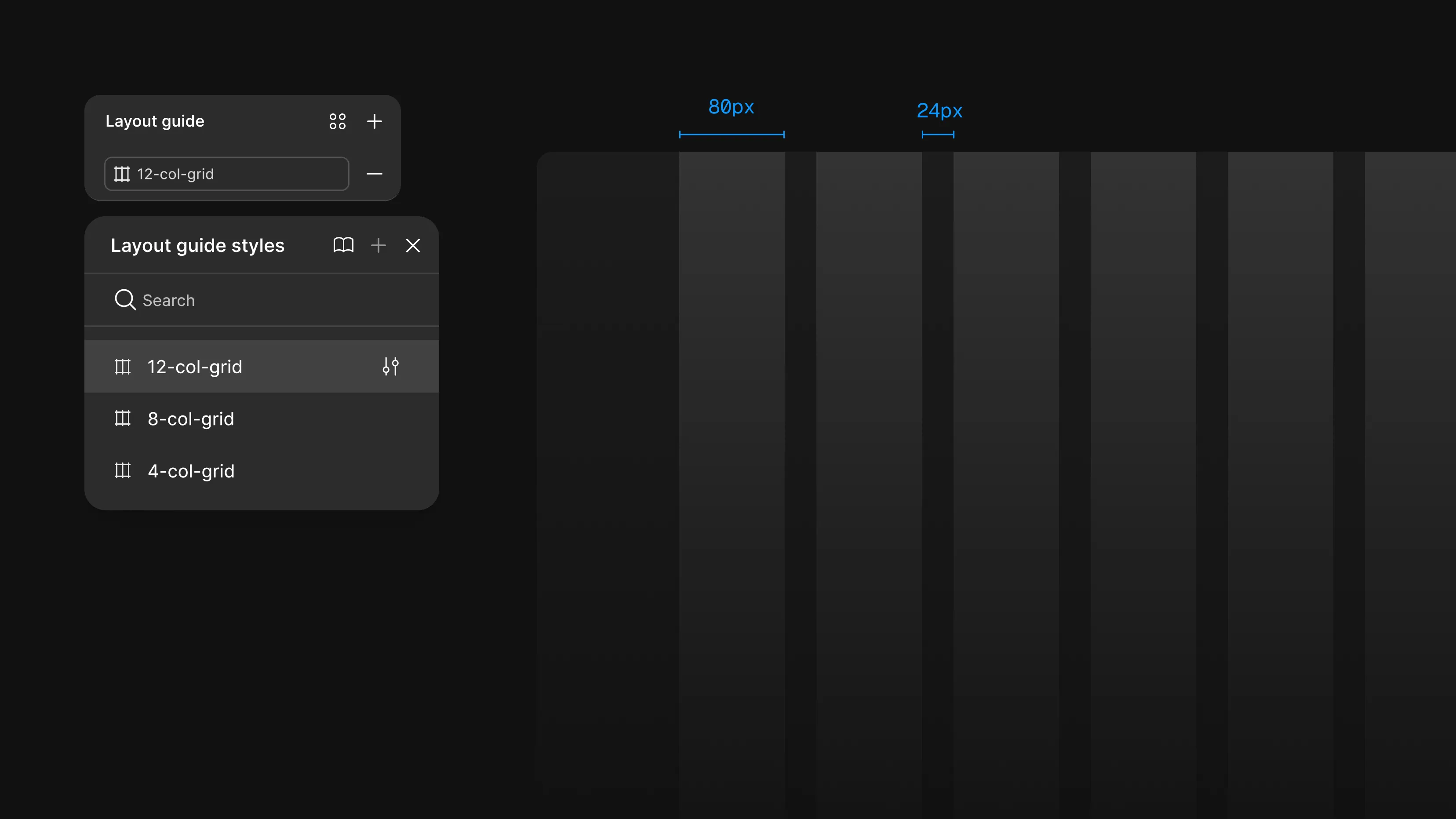
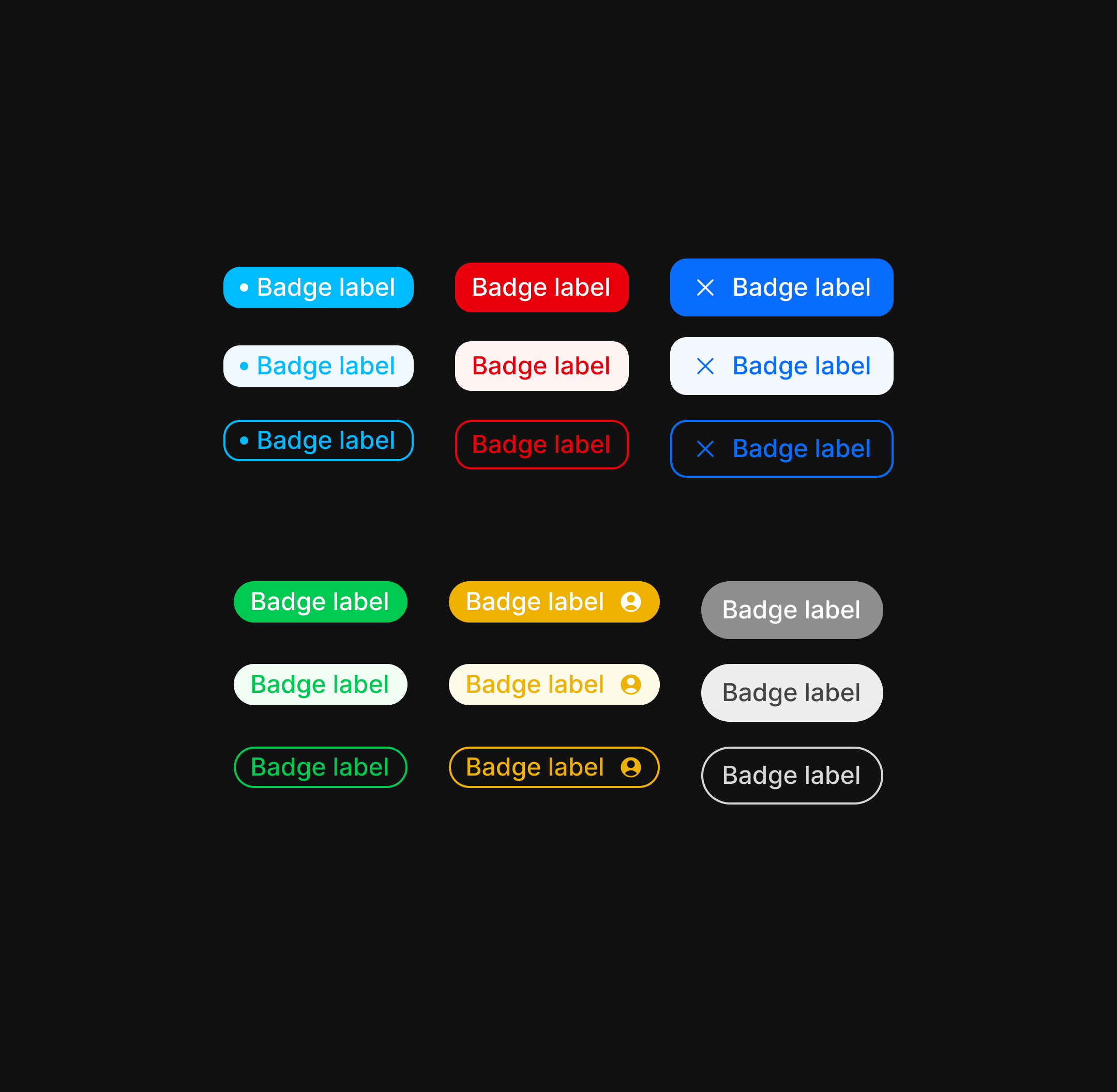
UI library | Atoms
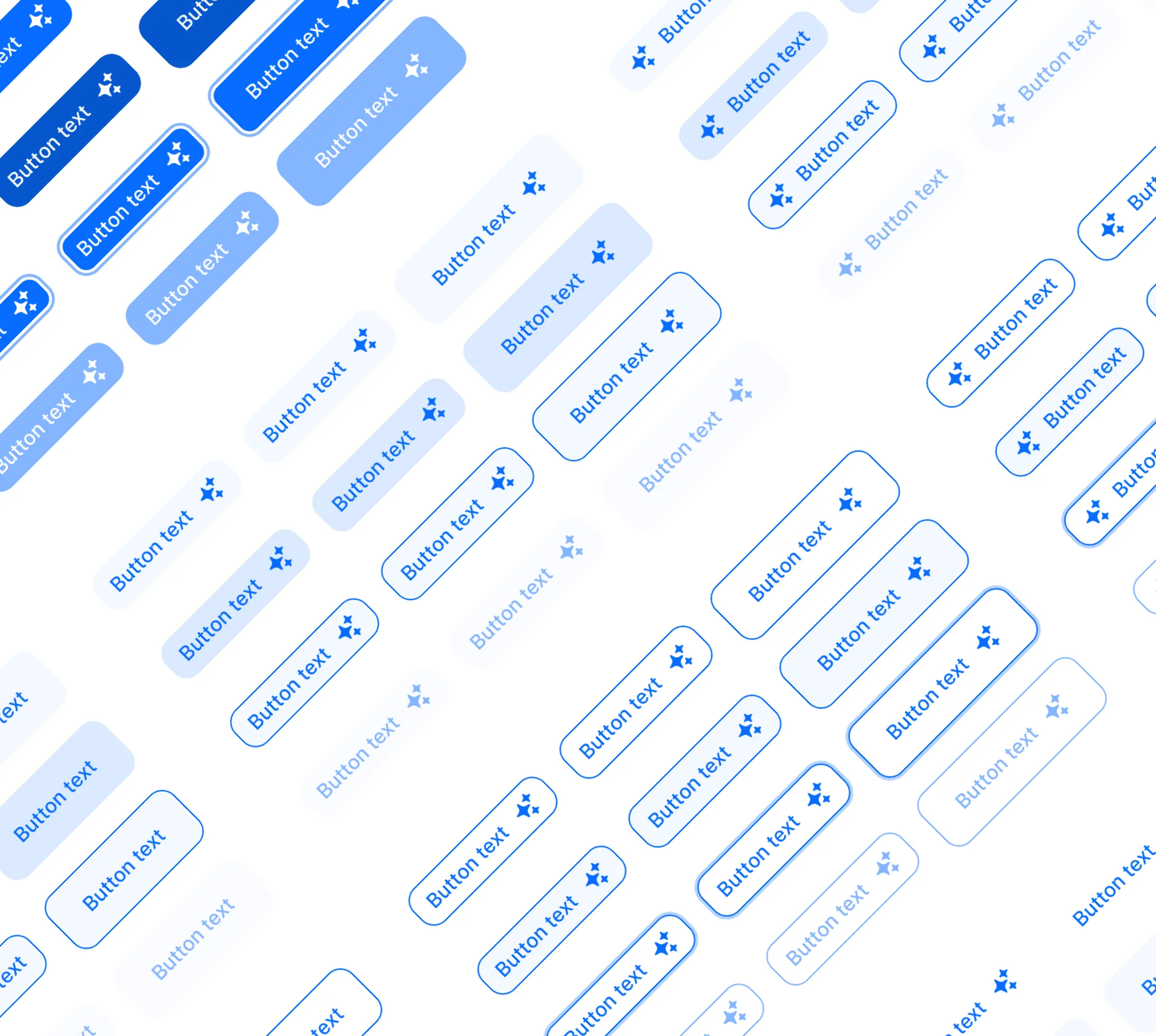
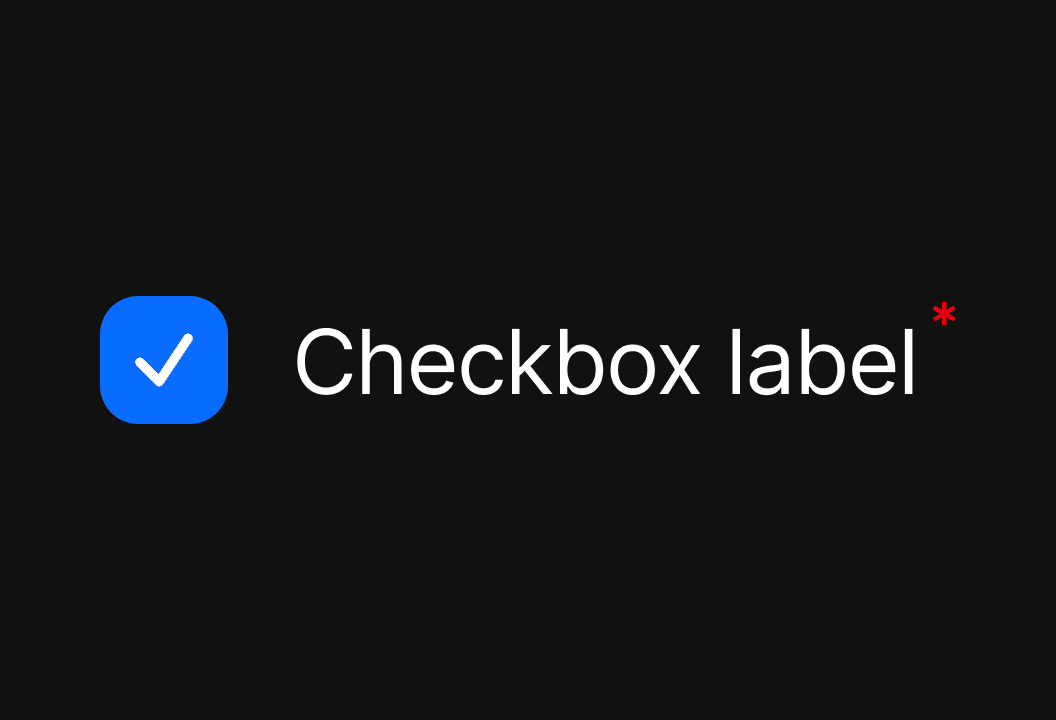
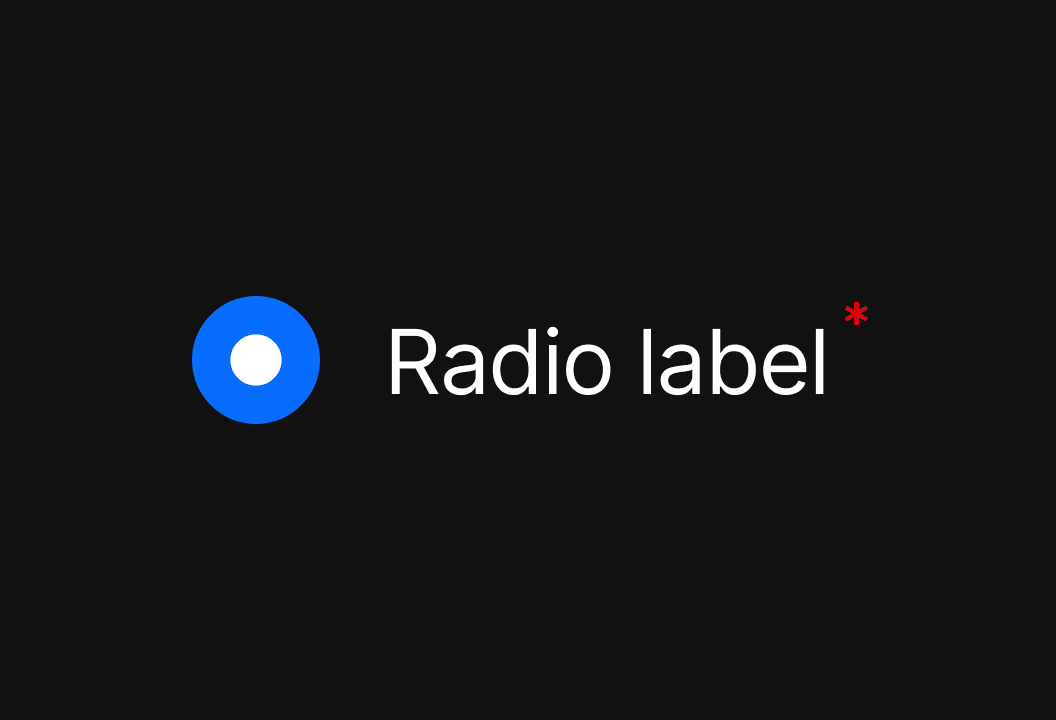
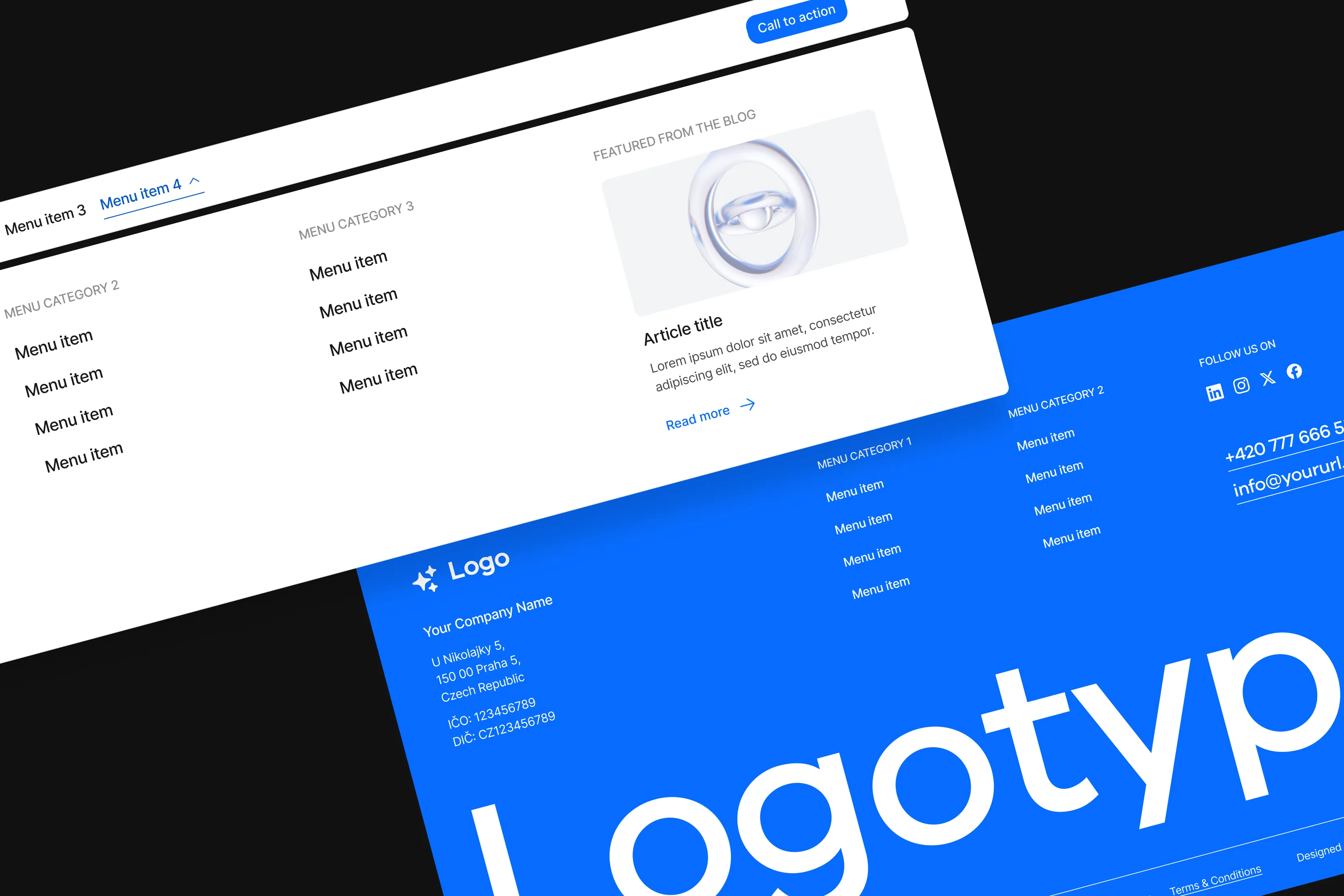
UI library | Molecules & Organisms
Newlogic UI
Newlogic UI
Project overview
Newlogic is a full-service digital agency delivering custom digital solutions across web, e-commerce, branding, and complex systems.
Newlogic is a full-service digital agency delivering custom digital solutions across web, e-commerce, branding, and complex systems.
This design system and UI library established a scalable, implementation-ready foundation for the agency. By aligning design and engineering, standardizing components, and enabling both custom development and no-code delivery, the system improves consistency, accelerates workflows, and expands how projects can be delivered.
This design system and UI library established a scalable, implementation-ready foundation for the agency. By aligning design and engineering, standardizing components, and enabling both custom development and no-code delivery, the system improves consistency, accelerates workflows, and expands how projects can be delivered.
Team
1 Lead product Designer
1 Chief technical officer
1 art director/project manager
Year
2026
Stack




Designed & Built by Nam Bui • Ⓒ 2026
Designed & Built by Nam Bui • Ⓒ 2026
Designed & Built by Nam Bui • Ⓒ 2026